Wedding Cakes9 min read
Timeless Wedding Cake Designs: Classic Meets Contemporary
A wedding cake feels most memorable when it honors tradition without looking stuck in the past. The sweetest balance often comes from pairing familiar silhouettes, refined piping, and classic flowers with fresher details such as sculptural texture, unexpected flavors, tonal color palettes, or sleek minimalist stands. That blend gives couples a cake that photographs beautifully now and still feels elegant years later. If you are planning a cake for any season, the key is choosing one strong classic foundation and one modern update, then carrying that balance through flavor, finish, and display. The ideas below highlight practical ways to create wedding cakes that feel timeless yet current, with decoration tips and flavor pairings that work from spring through winter.

Start with a Classic Tiered Shape, Then Simplify the Finish
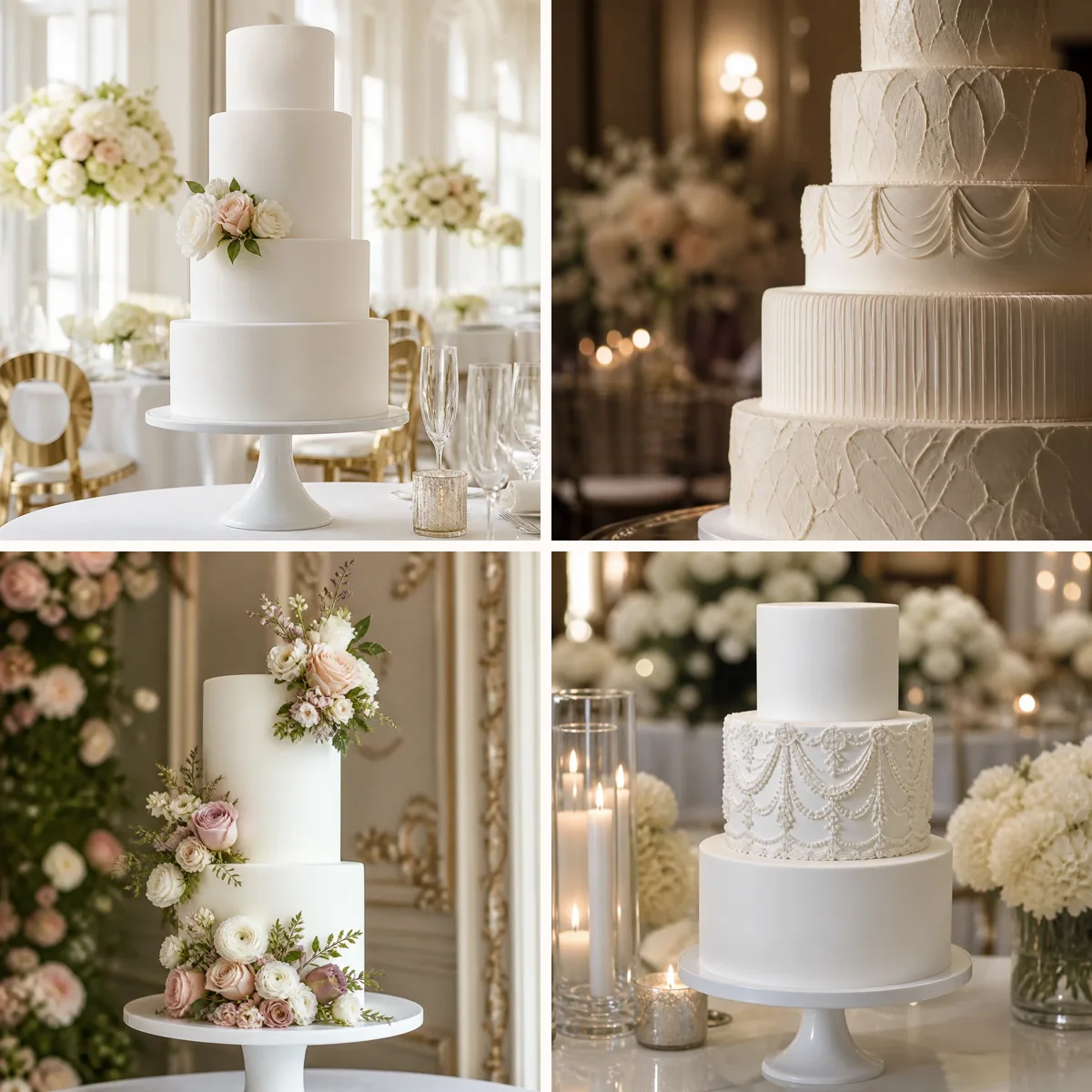
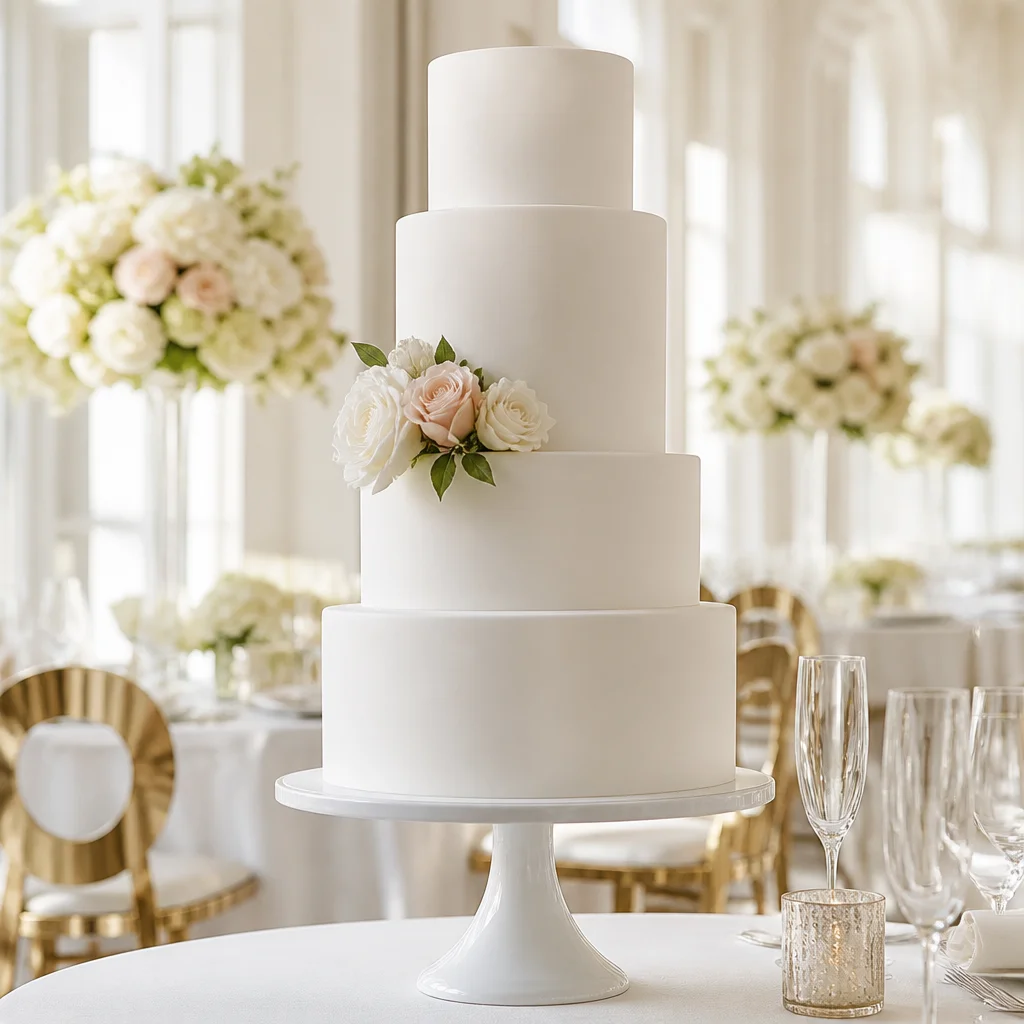
A traditional round tiered cake remains the easiest way to achieve a timeless look, but it feels more contemporary when the finish is restrained. Instead of covering every tier with dense ornament, choose smooth buttercream or polished fondant as the base and let the proportions do the work. Tall tiers, slightly wider spacing between decorative bands, and a clean ivory or soft white palette instantly modernize a familiar silhouette while preserving formal elegance. This approach also makes styling easier across seasons. In spring and summer, the simplicity leaves room for fresh flowers or fruit accents. In autumn and winter, it supports richer details such as velvet ribbon, sugar pearls, or candlelit displays without becoming visually heavy. A simple shape also gives bakers flexibility with mixed flavors hidden inside, so the outside stays cohesive even when each tier offers something different.
Use Monochrome Texture for Depth Without Fussiness
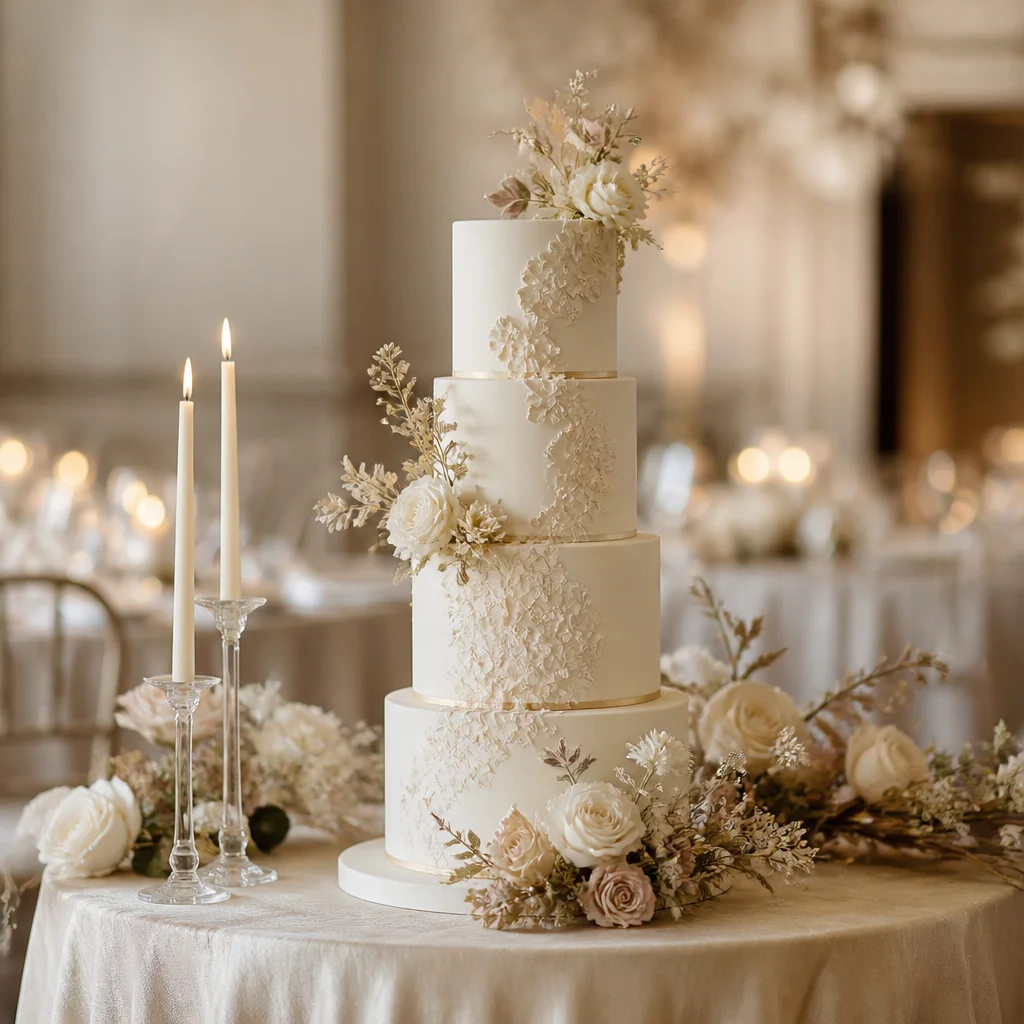
One of the most effective ways to bridge classic and contemporary design is with texture in a single color family. Think delicate Lambeth-inspired piping softened into cleaner lines, pleated fondant, subtle stucco buttercream, or embossed patterns all in ivory, champagne, or pale taupe. The cake still feels formal and wedding-worthy, but the tonal treatment keeps it fresh rather than overly ornate. Monochrome texture works beautifully in every season because it relies on light and shadow rather than bold color. For spring, pair it with airy florals such as sweet peas or ranunculus. For fall, use tonal dried elements sparingly, like preserved grasses in cream or wheat. When planning photos, place a textured cake near natural side light so the details read clearly; otherwise, intricate work can disappear in dim reception spaces.
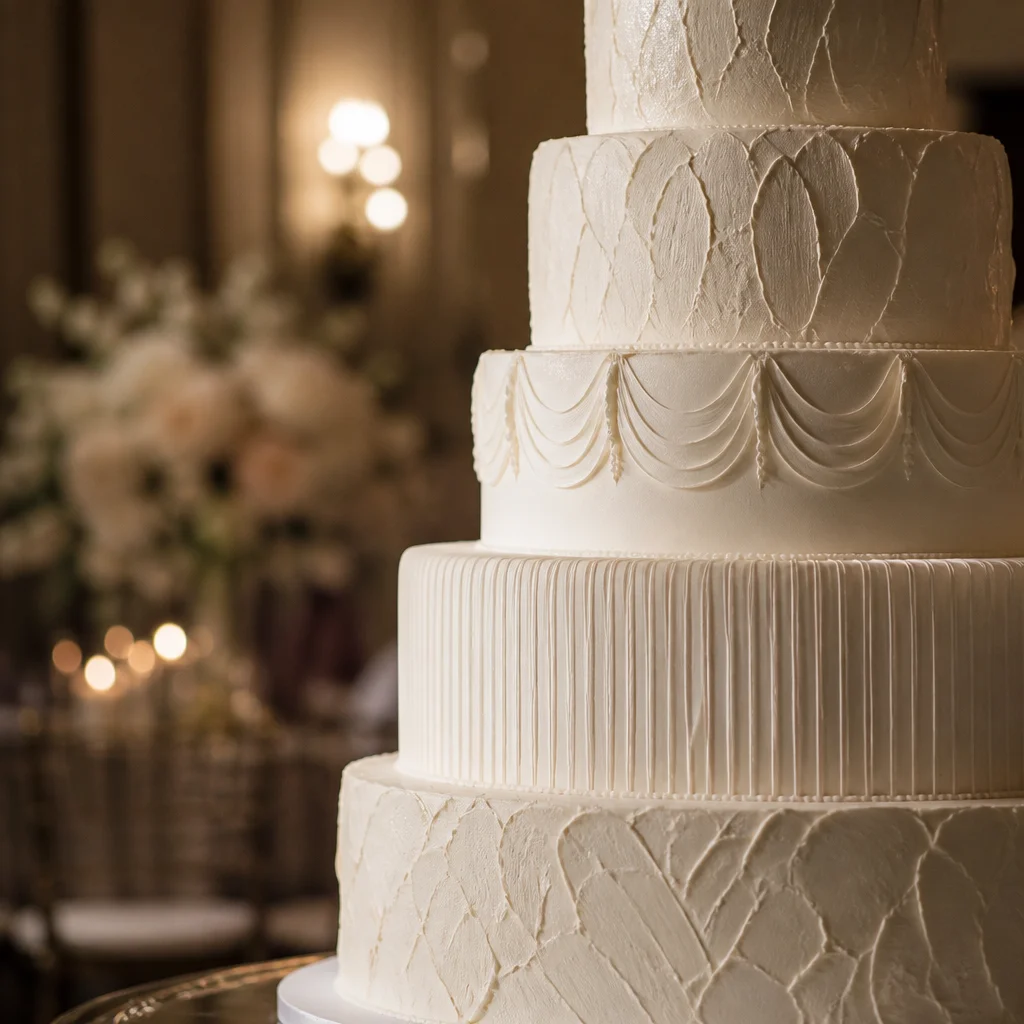
Choose Floral Placement That Looks Intentional, Not Overdone
Flowers are one of the most traditional wedding cake decorations, yet the placement determines whether the result feels classic or current. A modern approach is to cluster blooms asymmetrically, letting one area bloom while leaving much of the cake clean and visible. This preserves the romance of florals without covering every tier, and it helps the cake feel curated instead of crowded. For a timeless result, stick to two or three flower varieties and repeat them in the bouquet or tablescapes. Garden roses, orchids, ranunculus, anemones, and lisianthus all translate well depending on the season. Spring suits loose pastel clusters, summer favors crisp white flowers with glossy greenery, autumn welcomes muted toffee and blush blooms, and winter looks elegant with white flowers, deep green foliage, or a touch of burgundy for contrast.
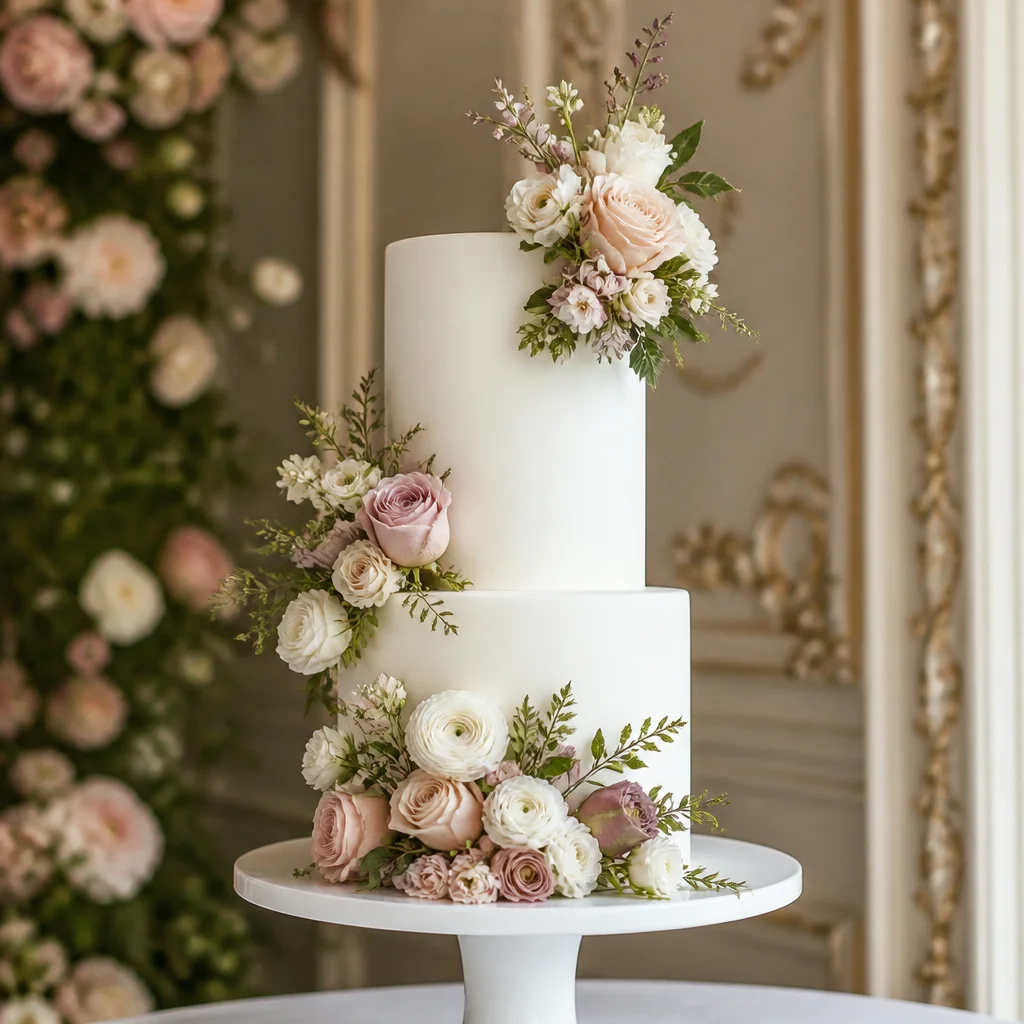
Blend Old-World Piping with Sleek Contemporary Lines
Piping has returned in a major way, but the most enduring versions combine vintage detail with edited structure. Instead of decorating every edge, try one piped statement tier paired with smooth tiers above and below it. A scalloped border, shell piping, or gentle overpiping can add heritage charm while the untouched tiers keep the overall composition modern. This mix works especially well for couples who want a nod to family tradition. If a parent or grandparent had a formal piped cake, you can echo that language in one area rather than copying the whole design. Keep the palette clean and the stand simple so the piping remains the hero. Flavor-wise, this style pairs nicely with classics such as vanilla bean, almond, lemon, or chocolate, especially when elevated by fillings like raspberry, espresso cream, or salted caramel.
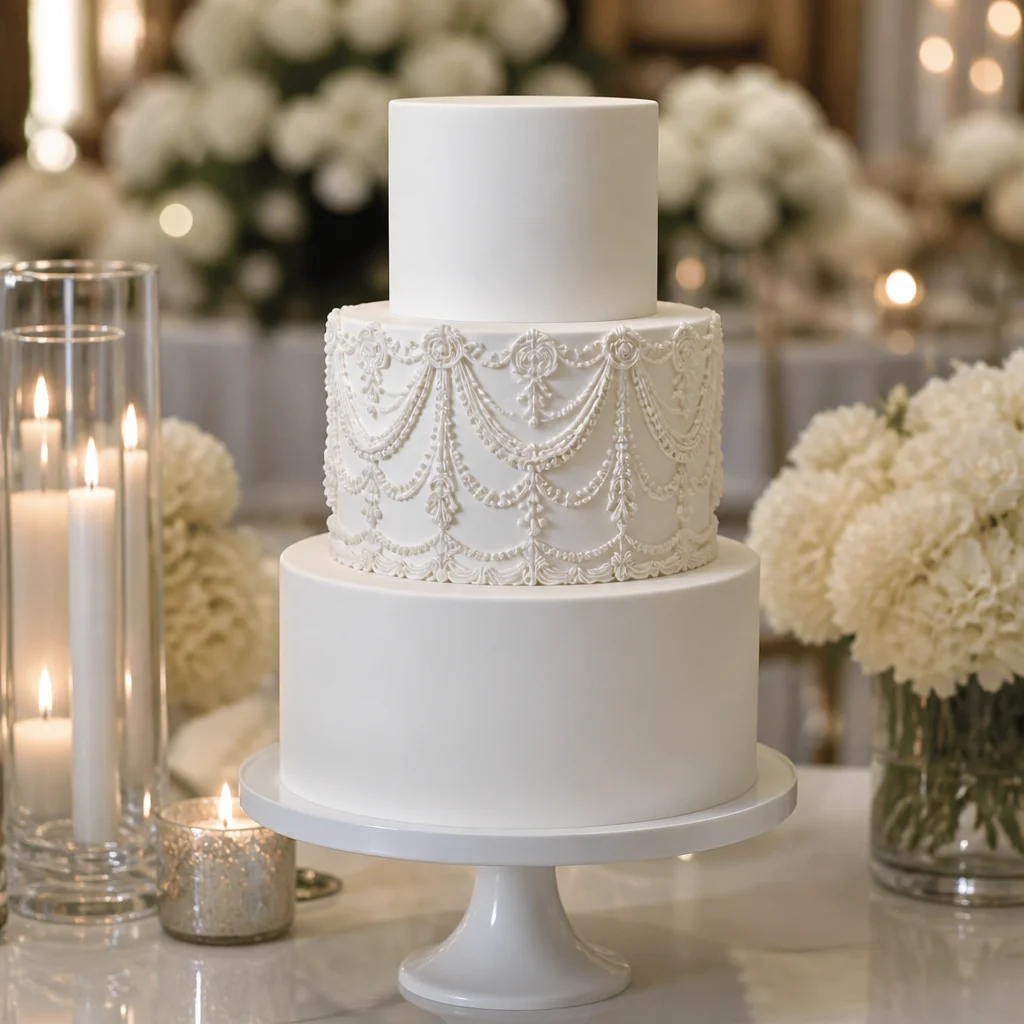
Update White Cake with Seasonal Flavor Layers
A white or ivory exterior may look traditional, but the inside is where a cake can feel more personal and current. Offering distinct seasonal flavors by tier keeps the design elegant while giving guests a memorable tasting experience. Spring works beautifully with lemon elderflower, strawberry shortcake, or pistachio with raspberry. Summer can feature coconut with passion fruit, vanilla bean with peach, or olive oil cake with citrus curd. For cooler months, consider spiced pear, chocolate with hazelnut, chai, maple walnut, or brown butter apple. If you choose multiple flavors, make sure they share a similar level of richness so no tier feels noticeably heavier than another. Ask for a clear slicing plan too, especially with tall modern tiers, so the serving style supports both the visual design and smooth reception flow.
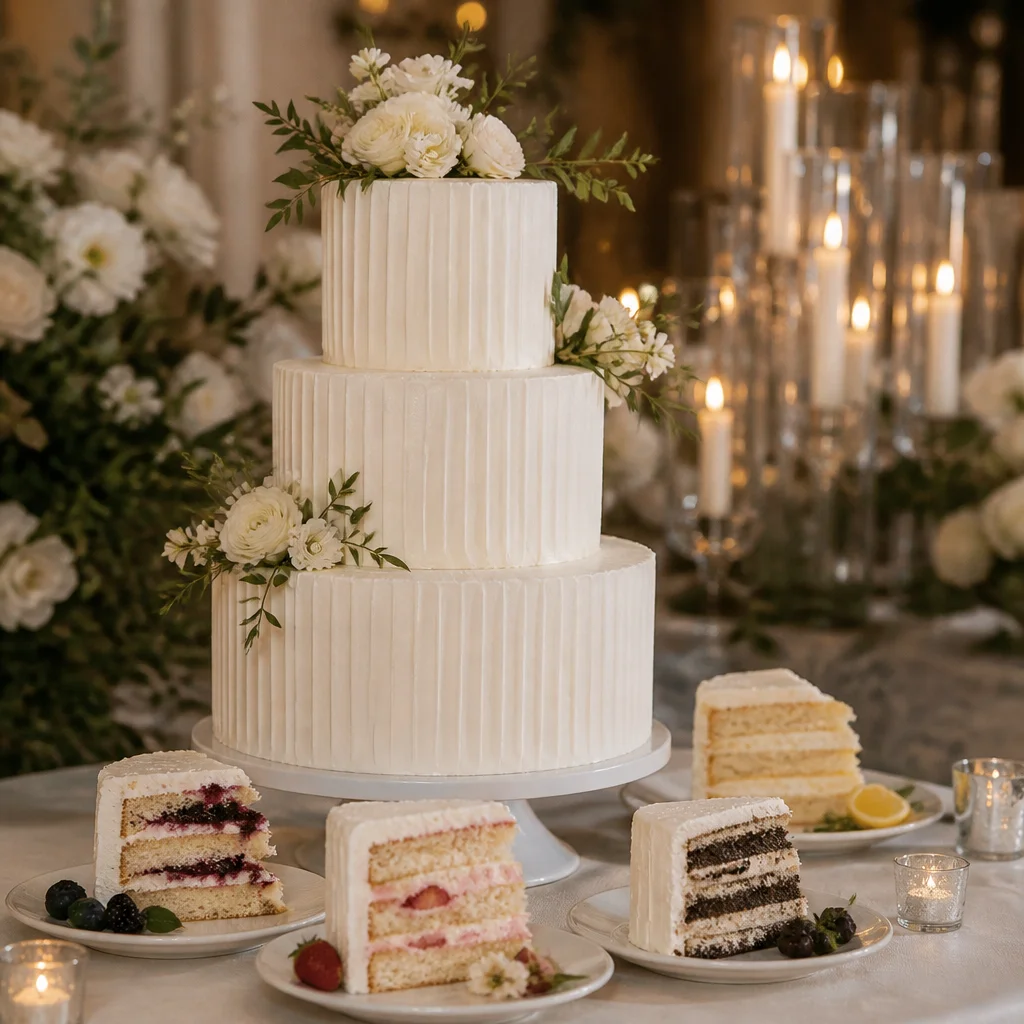
Add a Contemporary Metallic Detail in a Restrained Way
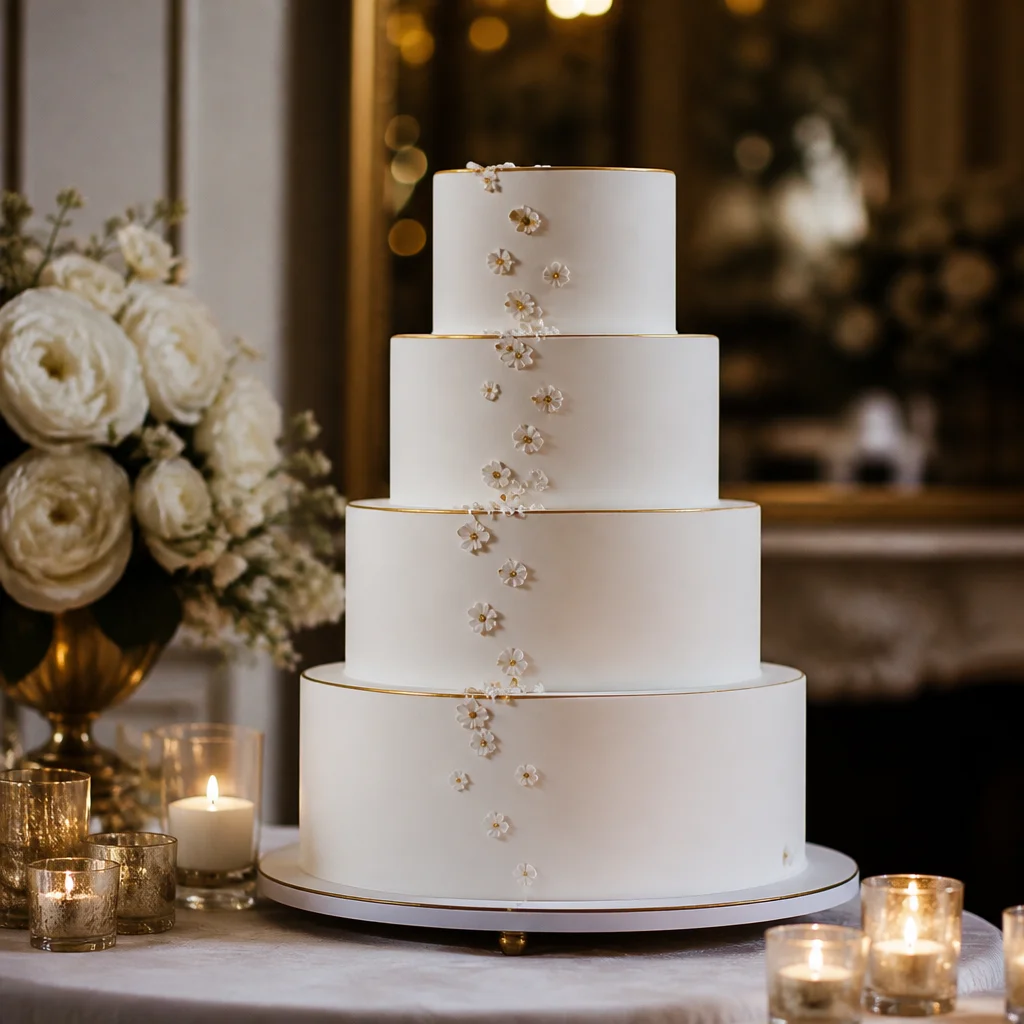
Metallic accents can make a classic wedding cake feel current, but the secret is restraint. A thin gold edge, a few silver leaf touches, or a brushed metallic band around one tier brings a refined modern note without pushing the cake into trend-driven territory. The metallic should act like jewelry: a finishing accent rather than the entire outfit. This idea adapts well to every season and venue. Gold warms up autumn and candlelit winter receptions, while silver or platinum feels crisp for modern city weddings and summer evenings. Match the metallic tone to flatware, candlesticks, or the cake stand for cohesion. If the rest of the cake is detailed, keep the metallic minimal; if the cake is very plain, that small shimmer can provide exactly the right amount of occasion.
Let Fresh Fruit Become a Design Element
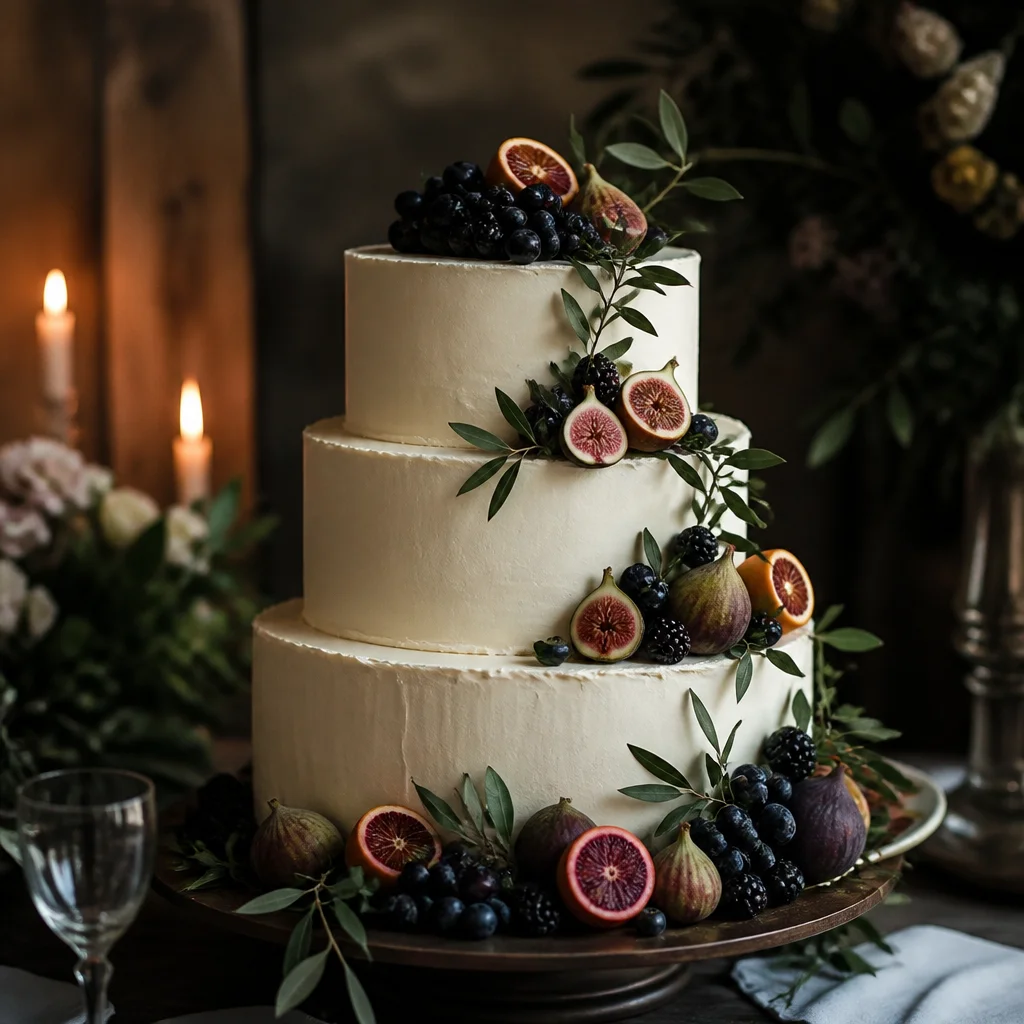
Fruit has a long history on celebratory cakes, but it feels especially contemporary when used with intention. Instead of scattering berries randomly, choose one fruit family and place it in elegant clusters or along a cascading line. Figs, blackberries, cherries, grapes, poached pears, apricots, and citrus slices can all bring color, seasonality, and an organic sculptural quality to an otherwise classic cake. Fruit works best when the flavors inside echo the decoration outside. A fig-accented cake might pair with honey, walnut, or mascarpone fillings, while citrus garnish suits lemon, yuzu, or orange blossom layers. In summer, berries and stone fruit feel abundant and relaxed; in winter, blood orange, kumquat, or sugared cranberries create drama. Keep proportions refined so the fruit enhances the cake rather than making it read as a dessert platter.
Use a Statement Stand to Modernize a Traditional Cake
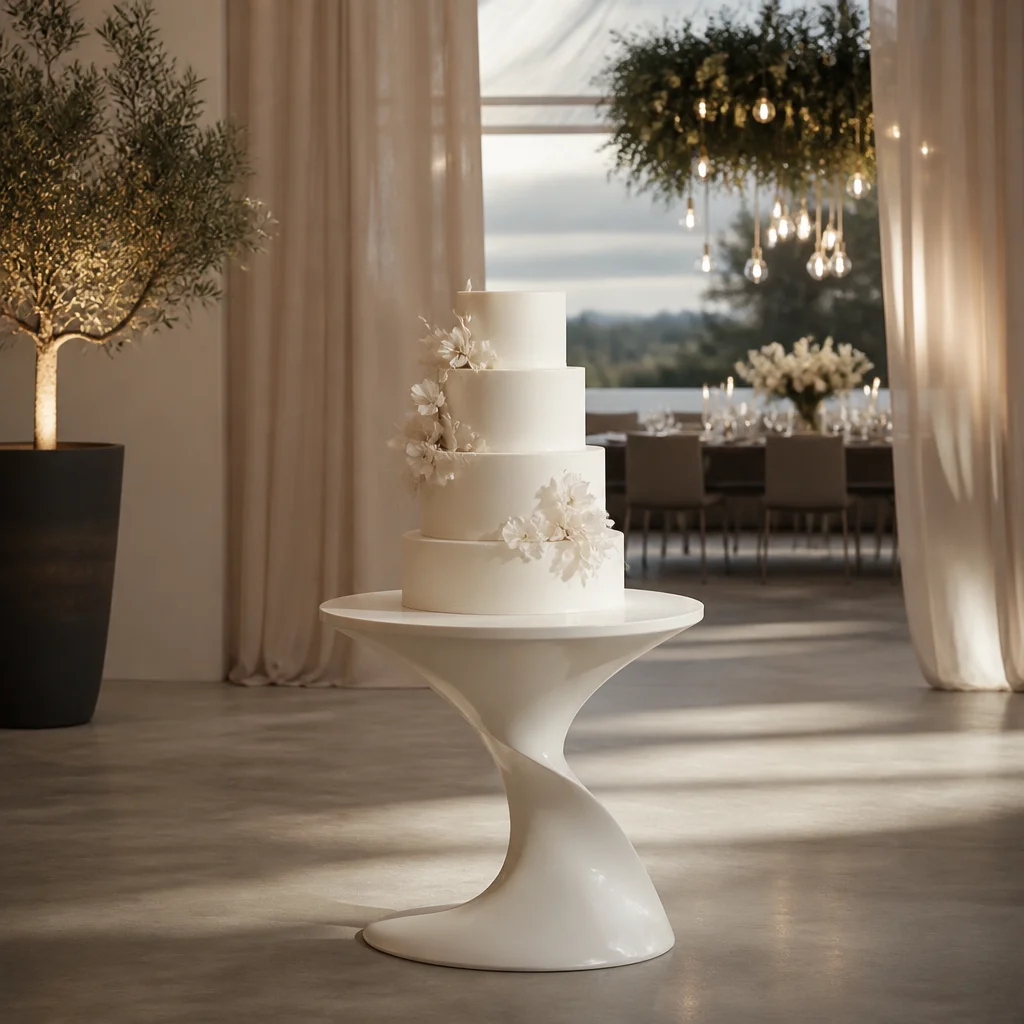
Sometimes the cake itself can stay very classic while the presentation introduces the contemporary note. A sculptural stone plinth, clear acrylic pedestal, dark lacquered stand, or brushed metal base can transform a simple tiered cake into a modern focal point. This is especially useful for couples who love traditional white cake but want the overall display to feel editorial and current. When choosing a stand, consider scale and sightlines. A low stand emphasizes grandeur and tradition, while a taller pedestal gives the cake more architectural presence. For spring gardens and summer tents, pale stone or clear stands feel light and airy. For fall estates and winter ballrooms, darker tones and metal bases create contrast against ivory icing. Leave enough negative space around the display so the stand and cake can be appreciated together.
Try Pearl and Bow Details for Soft Formality
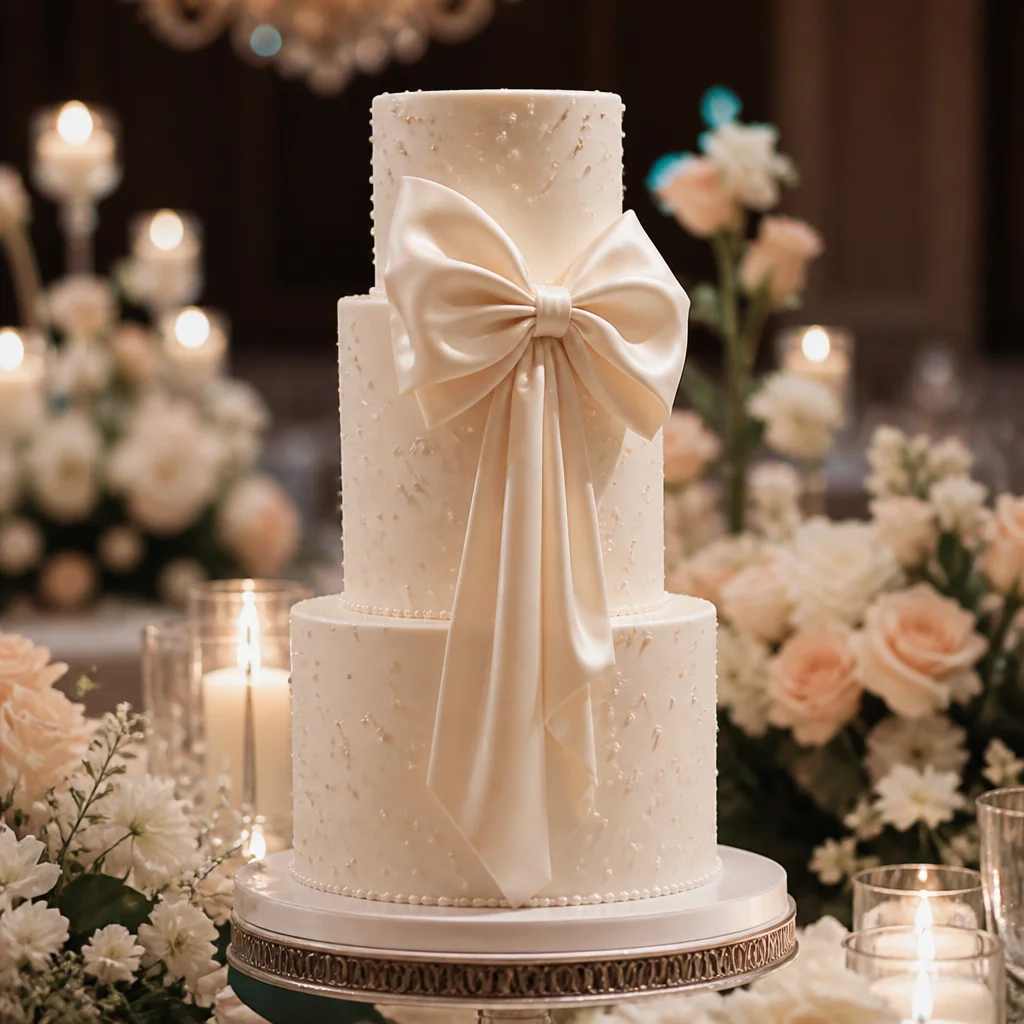
Pearls and bows are deeply classic decorative motifs, yet they can look surprisingly modern when handled with a light touch. Tiny sugar pearls spaced with precision or one oversized satin bow around a lower tier adds softness and formality without overwhelming the design. These details are especially effective for couples drawn to romantic fashion and elegant reception styling. To keep the look timeless, avoid combining too many sweet elements at once. Choose either pearls as texture or a bow as the statement, then support it with a clean finish elsewhere. Bows suit winter and holiday weddings beautifully in velvet, satin, or silk-inspired sugar work, while pearls shine year-round, especially on smooth buttercream under candlelight. Repeat the motif sparingly in stationery, bridal attire, or table decor to make the whole celebration feel intentional.
Match Color to Season Through Undertones, Not Loud Hues
A timeless wedding cake rarely depends on bright trendy color, but that does not mean it must be stark white. The most sophisticated seasonal cakes shift through undertones: blush ivory for spring, creamy white and pale stone for summer, mushroom and café tones for autumn, and soft dove gray or warm champagne for winter. These shades feel classic while giving the cake subtle relevance to the season. This approach also helps floral and decor accents blend more naturally. A buttercream with a warm undertone can flatter candlelight and dried botanicals, while a cooler white works well with silver details and crisp winter flowers. Before finalizing color, view swatches or sample icing beside linens and floral plans. Tiny tonal differences matter in photographs, and a carefully chosen neutral often reads more luxurious than a stronger color statement.
Create Contrast with One Unexpected Modern Cutaway or Separator
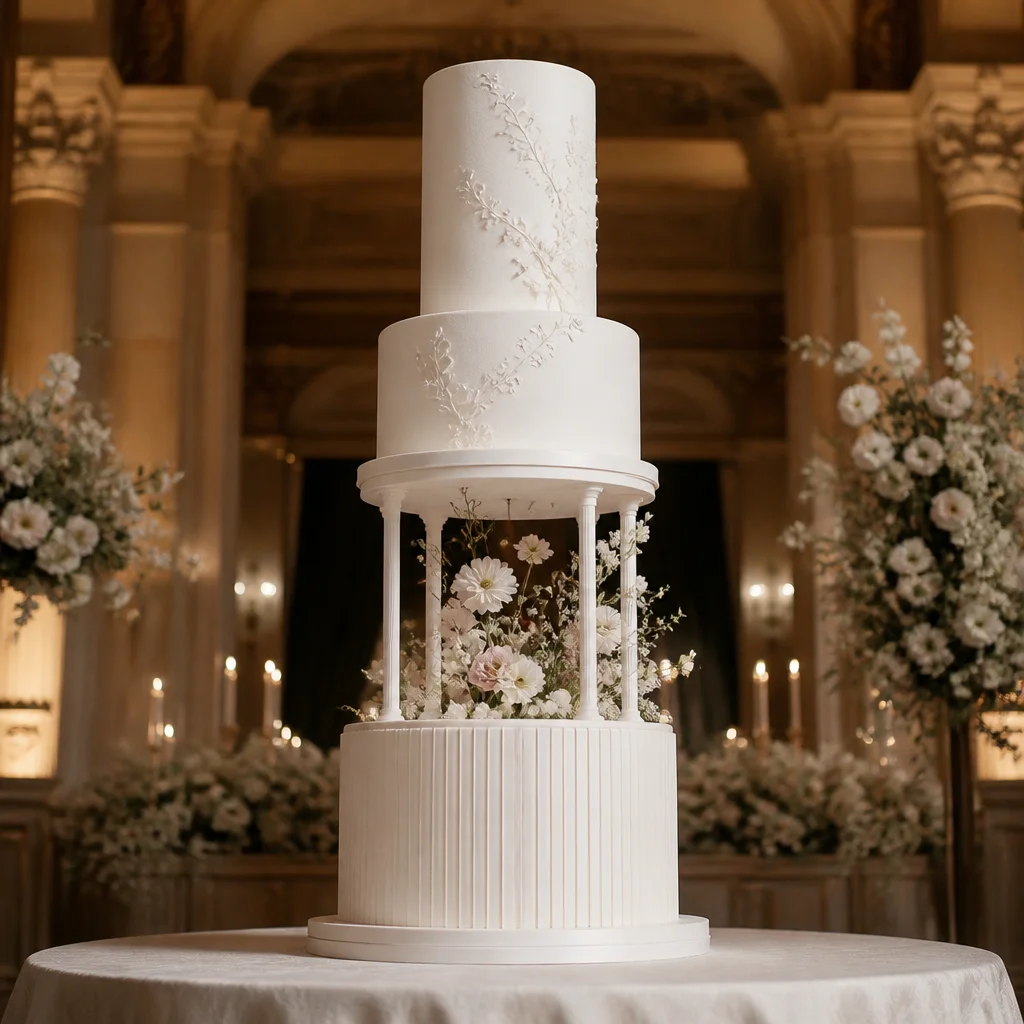
If you want a more fashion-forward cake without losing its formal roots, introduce one architectural surprise. A floating separator tier filled with flowers, fruit, or candles, or a single open-style gap between tiers, can make a classic stacked cake feel newly relevant. Because the rest of the design stays disciplined, that one interruption becomes striking rather than gimmicky. This technique works best when the cake has enough height to carry the spacing gracefully. It is especially effective in venues with high ceilings or dramatic tablescapes, where the negative space can be appreciated. For spring and summer, fill a separator with airy blooms or trailing greenery. For fall and winter, consider dark fruit, leaves, or warm candlelight nearby. Keep the remaining decoration controlled so the architectural feature remains the focus.
Style the Cake Table as Part of the Design Story
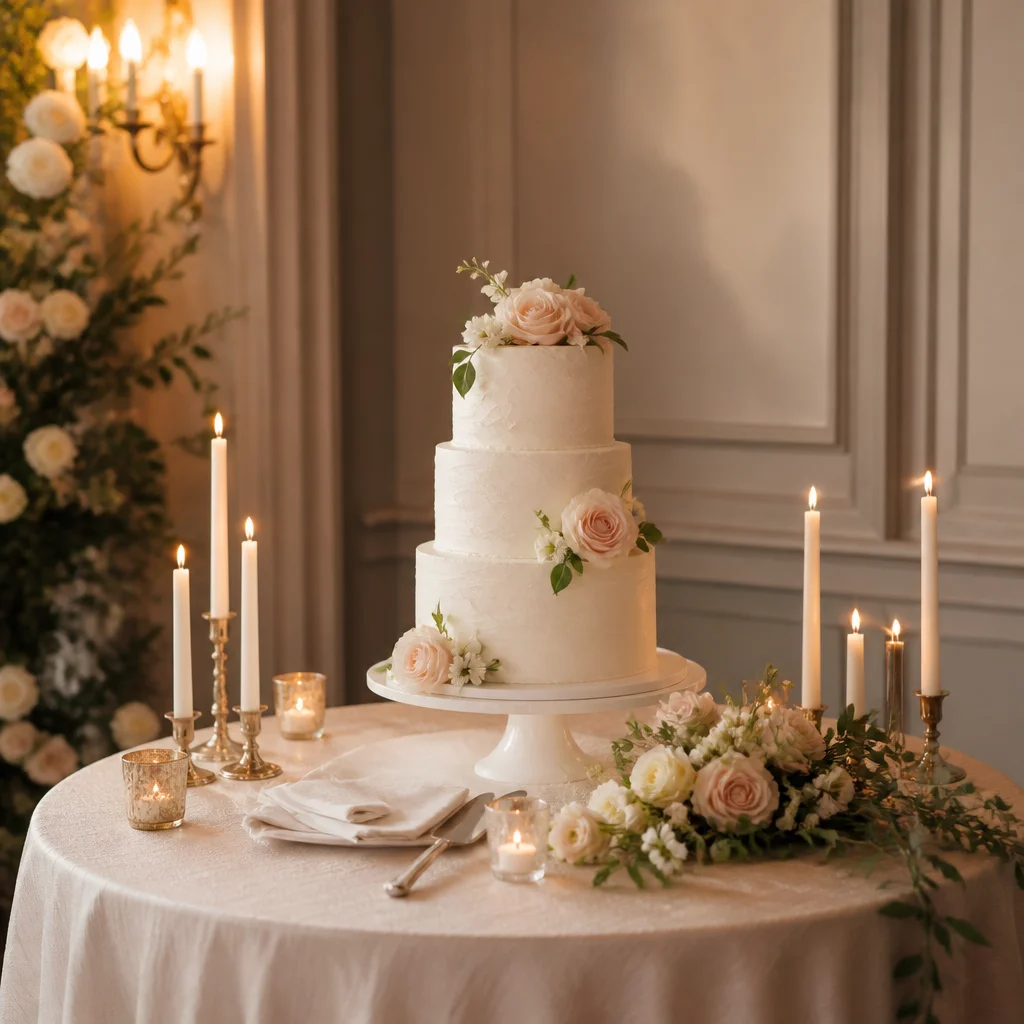
Even the most beautiful cake can lose impact if the surrounding table feels like an afterthought. A timeless cake display should include thoughtful linens, a flattering backdrop, balanced candle placement, and serving pieces that match the level of formality. Contemporary styling often means less clutter: one cake, a few candles at varying heights, and perhaps a small floral moment that echoes the tiers without competing with them. Consider the season when building the scene. Spring and summer benefit from airy fabrics, garden-inspired florals, and daylight placement. Autumn looks rich with textured linens, brass tones, and fruit-accented arrangements. Winter calls for glow, reflection, and depth through taper candles, polished metal, or velvet. If you want the cake to feel timeless in photos, keep nearby signage and décor understated so attention stays on the craftsmanship and silhouette.
Images are AI-generated inspiration concepts.
Explore the categories ↗